Starting your car on a cold morning can be frustrating, especially when the engine just won’t cooperate. Cold start problems are common, particularly in colder climates, and can happen to cars of all ages.
Understanding the causes of cold start problems and how to fix them can save you time, money, and stress.
In this article, we’ll explore the most common causes of cold start issues in cars and provide practical solutions to keep your vehicle running smoothly.
Common Causes of Cold Start Problems
1. Weak Battery
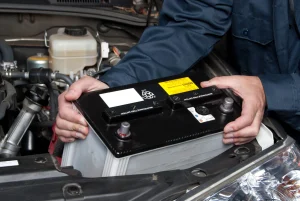
One of the most common reasons your car might struggle to start in cold weather is a weak or old battery. Low temperatures can reduce the battery’s ability to generate the power needed to start your engine. A battery that’s already weak will have an even harder time working in the cold.
Signs of a Weak Battery:
- The engine cranks slowly.
- Dim headlights or interior lights.
- Clicking noise when turning the key.
2. Thickened Engine Oil
In cold weather, engine oil can thicken, making it harder for the engine to turn over. The thicker oil doesn’t flow as easily, putting extra strain on the battery and starter.
Signs of Thickened Oil:
- Slow cranking engine.
- The dashboard oil light might stay on longer than usual.
3. Faulty Spark Plugs
Spark plugs are essential for igniting the fuel-air mixture in your engine. If they are dirty, worn out, or malfunctioning, your engine might struggle to start, especially in cold conditions.
Signs of Spark Plug Issues:
- Rough idle after starting.
- Difficulty starting even in mild weather.
- Decreased fuel efficiency.
4. Fuel Delivery Issues
A car’s engine needs the right amount of fuel to start and run smoothly. Problems with the fuel system, such as a clogged fuel filter, a failing fuel pump, or moisture in the fuel line, can prevent proper fuel delivery.
Signs of Fuel Problems:
- The engine cranks but doesn’t start.
- Stalling shortly after starting.
- Sputtering engine while idling.
5. Moisture in the Ignition System
Cold weather can lead to condensation, and moisture in the ignition system can interfere with proper functioning. This is especially true in older cars with distributor caps.
Signs of Moisture Problems:
- Intermittent starting issues.
- Visible condensation under the hood.
- The engine runs unevenly.
6. Cold Weather and Diesel Engines
If you drive a diesel car, you may face cold start issues due to the unique properties of diesel fuel. Diesel fuel can gel in extremely cold temperatures, making it hard to flow through the fuel lines.
Signs of Diesel Problems:
- Difficulty starting or failure to start.
- Unusual engine sounds during startup.
- Poor performance until the engine warms up.
Practical Solutions for Cold Start Problems
1. Check and Maintain Your Battery
- Test the Battery: Use a multimeter or visit a mechanic to check the voltage and health of your battery.
- Keep it Charged: Use a battery charger to ensure your battery stays charged, especially in colder months.
- Replace if Necessary: If your battery is over three years old or shows signs of weakness, consider replacing it.
2. Use the Right Engine Oil
- Check Your Manual: Always use the engine oil recommended for your car. Many manufacturers recommend a thinner oil for cold climates, such as 5W-30 or 0W-20.
- Change Regularly: Replace old, dirty oil before winter to ensure smooth engine operation.
3. Replace Worn Spark Plugs
- Inspect and Clean: Check spark plugs for carbon deposits or wear and clean them if needed.
- Upgrade: Replace old spark plugs with new ones for better ignition performance.
4. Address Fuel System Issues
- Replace the Fuel Filter: Ensure the fuel filter is clean and allows proper fuel flow.
- Use Fuel Additives: Add a fuel stabilizer or antifreeze additive to prevent moisture from freezing in the fuel lines.
- Fill Up Regularly: Keep your gas tank at least half full to prevent condensation from forming inside.
5. Protect the Ignition System
- Dry-Out Moisture: Use a water-displacing spray like WD-40 to remove moisture from the ignition components.
- Check for Cracks: Inspect the distributor cap and ignition wires for cracks or damage and replace if necessary.
6. Solutions for Diesel Engines
- Use Winterized Diesel Fuel: Winter-grade diesel contains additives to prevent gelling in cold weather.
- Install a Block Heater: A block heater warms up the engine and fuel before you start the car, making it easier to start in cold weather.
- Check Glow Plugs: Ensure the glow plugs are working correctly, as they help warm the engine during startup.
Preventative Tips for Winter Driving
- Warm Up the Car: Allow your car to idle for a minute or two after starting to let the engine oil circulate.
- Park in a Garage: If possible, park your car in a garage to shield it from extreme cold.
- Use a Car Cover: A weatherproof car cover can protect your vehicle from frost and ice if you don’t have access to a garage.
- Regular Maintenance: Schedule regular checkups to keep your car in top shape year-round.
Conclusion
Cold start problems in cars can be a hassle, but understanding the causes and taking preventative measures can make a big difference. Whether it’s maintaining your battery, using the right oil, or protecting your ignition system, small steps can prevent big problems. Stay ahead of winter by preparing your car, so you’re never left stranded on a chilly morning.